logo
Casa Notizie

notizie sull'azienda Modular Cleanroom Ventilation Strategies: Balanging Fresh Air Intake with Recirculation Rates

Certificazione
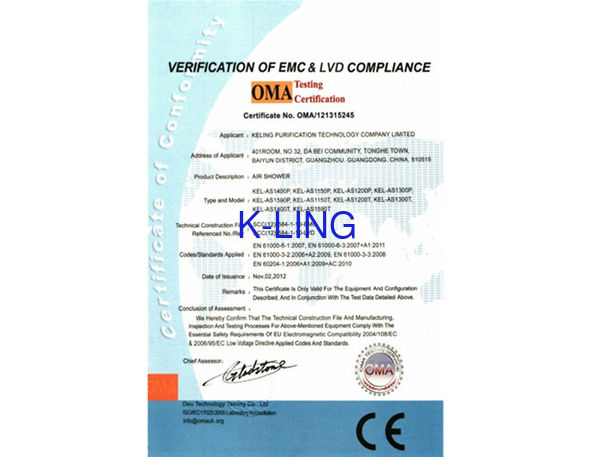
Cina KeLing Purification Technology Company Certificazioni
Rassegne del cliente
Keling ci aveva forniti con successo dopo i prodotti su 25 Oct.2017 contro il PO NO.M170807; I loro filtri dell'aria forniti stanno funzionando soddisfacentemente dall'installazione. Siamo soddisfatti con i loro prodotti.

—— PHARMA DI SIMPOR

Poiché facciamo i coopertae con loro, sempre offrono la buona qualità e tengono la consegna in tempo a noi, noi fanno appreicated per il loro supporto gentile!

—— Nasir

Ciò è di certificare che abbiamo comprato il tipo tunnel della cascata di particelle, cascata di particelle e filtro di U da HEPA, filtro dell'aria secondario, perfilter per il nostro progetto Co. srl, quadrato di commercio di Feng di tian 3C01, metà di costruzione, no. 133, Baiyun avoirdupois, Baiyun Disctrict, Canton, Guangdong, Cina della tecnologia di purificazione di KeLing contro il contratto nessun: 2014/4119005942 del 22 ottobre, 201

—— IATEC, Argentina

Il prodotto è arrivato più velocemente di quanto preveduto ed hanno inviato qualche cosa di speciale oltre a cui ho ordinato. Gente piacevole e servizio veloce!

—— Mohammed Saad

Sono ora online in chat
società Notizie
Modular Cleanroom Ventilation Strategies: Balanging Fresh Air Intake with Recirculation Rates
ultime notizie sull'azienda Modular Cleanroom Ventilation Strategies: Balanging Fresh Air Intake with Recirculation Rates
Strategies for Balancing FAI and Recirculation rates

Achieving balance requires a data-driven approach tailored to the cleanroom’s specific use case:

  1. Demand-Controlled Ventilation (DCV): Install CO₂ sensors and occupancy detectors to adjust FAI rates in real time. During low-occupancy periods, FAI can be reduced to the minimum regulatory requirement, while recirculation rates remain high to maintain particle control. This strategy can reduce HVAC energy use by 20–40% compared to static systems.
  2. Zoned Ventilation: Modular cleanrooms often have distinct zones with varying contamination risks (e.g., a sterile production area vs. a gowning room). Design ventilation systems to allocate higher FAI rates to high-risk zones where process emissions are concentrated, while using higher recirculation in low-risk areas to conserve energy.
  3. Heat Recovery Systems: Integrate heat exchangers to transfer thermal energy from exhaust air to incoming fresh air. This reduces the load on heating and cooling systems, making higher FAI rates more energy-efficient. For example, a heat recovery system can recover 60–80% of the exhaust air’s thermal energy, significantly lowering operational costs.
  4. Filter Optimization: Regularly monitor and maintain HEPA/ULPA filters to ensure they operate at peak efficiency. Clogged filters increase pressure drop, forcing the HVAC system to work harder and reducing recirculation effectiveness. Implement a predictive maintenance schedule based on filter pressure data to avoid unexpected downtime.
Tempo del pub : 2026-05-06 10:37:44 >> lista di notizie
Dettagli di contatto
KeLing Purification Technology Company

Persona di contatto: Mrs. Zhao

Telefono: 86 20 13378693703

Fax: 86-20-31213735

Invia la tua richiesta direttamente a noi (0 / 3000)